Consequences of a DUI in Virginia
A DUI in Virginia is a criminal charge with mandatory penalties. Here is what a conviction can mean for your license, your record and your career.
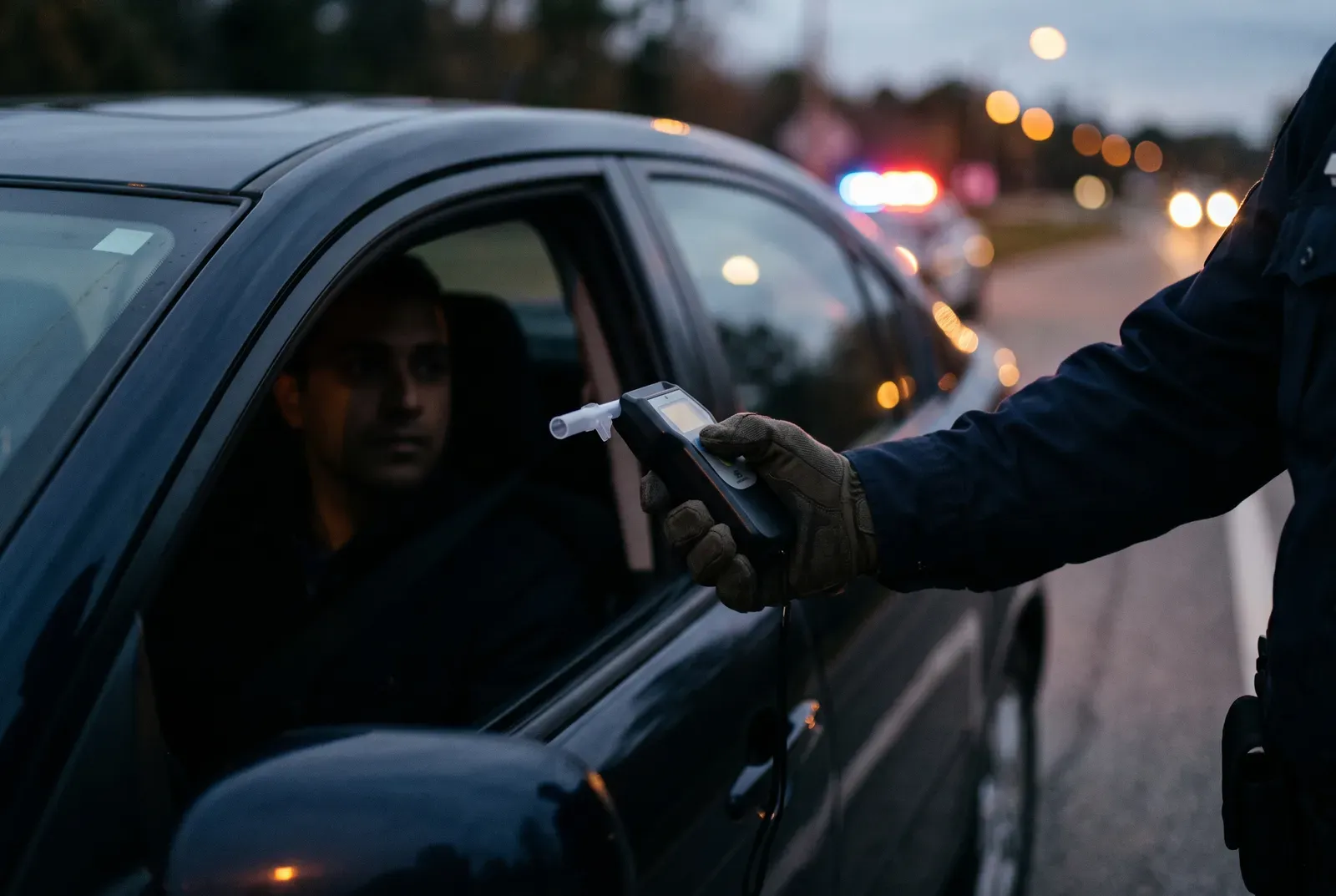
Many people are surprised to learn how serious a DUI (also called DWI) is in Virginia. It is a criminal offense, not a traffic ticket, and Virginia law includes mandatory minimum penalties that a judge cannot simply waive. Understanding what is at stake is the first step toward protecting yourself.
What Counts as a DUI in Virginia?
Under Virginia law, you can be charged with DUI if you operate a vehicle with a blood alcohol concentration (BAC) of 0.08% or higher, or while impaired by alcohol, drugs, or a combination. Drivers under 21 face a much lower threshold under Virginia’s zero-tolerance rules, and commercial drivers face stricter standards as well.
Penalties for a First Offense
A first-offense DUI is generally a Class 1 misdemeanor. Possible consequences include:
- A mandatory minimum fine of $250, with higher fines possible
- Mandatory jail time if BAC was elevated — a minimum of 5 days for a BAC of 0.15 to 0.20, and 10 days for a BAC above 0.20
- Additional penalties if a minor was in the vehicle
- License revocation for one year
- Required participation in the Virginia Alcohol Safety Action Program (ASAP)
Many drivers can seek a restricted license to drive for work, school or other approved purposes, typically with an ignition interlock device installed in their vehicle.
Repeat Offenses Carry Steeper Penalties
Penalties increase significantly for a second or subsequent offense, including longer mandatory jail sentences, higher minimum fines, and longer license revocations. The time between offenses matters, so prior history should always be reviewed carefully.
Refusing a Breath or Blood Test
Virginia has an implied consent law. By driving on Virginia roads, you are deemed to have agreed to a breath or blood test after a lawful DUI arrest. An unreasonable refusal is a separate offense: a first refusal is generally handled as a civil matter but carries its own license suspension, and later refusals carry heavier consequences. This is separate from — and in addition to — any DUI charge.
The Consequences Beyond Court
A DUI conviction stays on your Virginia criminal record, and the impact often reaches further than fines and license time:
- Security clearances. Many Northern Virginia professionals must report arrests, and a conviction can put a clearance — and the job that depends on it — at risk.
- Employment. Jobs that require driving or professional licensing may be affected.
- Insurance. Premiums often rise substantially.
- Immigration. For non-citizens, criminal charges can carry immigration consequences that should be evaluated early.
Why the Details Matter
Every DUI case turns on details: why the vehicle was stopped, how field sobriety and breath tests were administered, whether procedures were followed, and how the evidence was handled. A careful review can reveal issues that affect the outcome.
How First Point Law Group Can Help
Our traffic and DUI defense attorneys review every piece of evidence and work to protect your license, your record and your career. Learn more about our traffic and DUI defense or call (703) 385-6868 to schedule a free consultation.
This article is general information, not legal advice. Penalties depend on the facts of each case and can change; speak with an attorney about your situation.

Continue reading

Divorce in Virginia: What You Need to Know
Understand the divorce process in Virginia, including grounds for divorce, child custody, spousal support, and property division.

A Step-by-Step Guide to the U.S. Family-Based Green Card Process
Learn how the family-based immigration process works, who is eligible, how long it can take, and what to expect at each stage.

What to Do If You’ve Been Arrested in Virginia
The first hours after an arrest matter. Here is what to do — and what not to do — to protect your rights and your options.